Category: fishing-how-tos

  • How To Pick A Saltwater Fishing Rod 2026

    How To Pick A Saltwater Fishing Rod 2026

    The Complete Buyer’s Guide 2026

    Best Saltwater Fishing Rods:
    Everything You Need to Know Before You Buy

    From inshore flats to deep-sea bluewater — find the perfect rod for every saltwater application, budget, and skill level.

    Whether you’re chasing redfish on the flats, battling yellowfin tuna offshore, or jigging for snapper from a party boat, choosing the right saltwater fishing rod is one of the most important decisions you’ll make as an angler. A good rod doesn’t just improve your casting — it can mean the difference between landing a trophy fish and snapping your gear at the worst possible moment.

    In this complete guide, we break down everything you need to know about buying saltwater fishing rods — from rod materials and power ratings to the best brands available at West Marine, Bass Pro Shops, Amazon, and other major retailers. We’ve also included a handy comparison table and our top picks to make your decision easier.

    📋 In This Guide

    1. What Makes a Rod “Saltwater Ready”?
    2. Key Rod Specs Explained (Action, Power, Length)
    3. Rod Materials: Fiberglass vs. Graphite vs. Composite
    4. Types of Saltwater Rods by Fishing Style
    5. Top Saltwater Rod Brands to Know
    6. Rod Comparison Table
    7. Our Top Picks with Buy Links
    8. Maintenance Tips for Saltwater Rods

    1. What Makes a Rod “Saltwater Ready”?

    Not every fishing rod can handle the brutal conditions of the ocean. Saltwater fishing rods must withstand corrosive salt exposure, UV radiation, heavy fish, and constant moisture. Here’s what separates a true saltwater rod from a freshwater model:

    • Corrosion-resistant guides: Look for guides made from aluminum oxide, titanium, or SiC (silicon carbide) with anti-corrosion frames — stainless steel or double-coated aluminum.
    • Marine-grade reel seats: Graphite or anodized aluminum reel seats resist oxidation far better than standard metal hardware.
    • UV-resistant blanks: Epoxy finishes and UV-protective coatings prevent the blank from degrading in direct sunlight.
    • Heavy-duty handles: Cork or EVA foam grips that can withstand wet, salty hands and long drag fights.

    ⚠️ Pro Tip: Never use a freshwater rod in saltwater — even briefly. Salt crystals can work into the guides and blanks, causing microscopic cracks that weaken the rod over time. Always rinse your saltwater rod with fresh water after every outing.

    2. Key Rod Specs Explained

    Understanding rod specifications is critical before you buy. Here are the three most important factors:

    ⚡ Rod Action

    Action describes where along the blank a rod bends under load:

    • Extra-Fast / Fast Action — Bends in the top 20-30% of the blank. Best for single-hook lures, jigging, and quick hooksets. Great for most inshore and offshore applications.
    • Moderate-Fast Action — More forgiveness on long fights; excellent for live-bait fishing and treble-hook lures.
    • Slow / Moderate Action — Bends throughout the entire blank. Ideal for trolling and presenting live baits naturally.

    💪 Rod Power

    Power (also called “weight”) is the rod’s resistance to bending. Common saltwater power ratings:

    • Light / Medium-Light: Inshore species like snook, trout, flounder (8–20 lb test)
    • Medium / Medium-Heavy: Redfish, striped bass, snapper (15–40 lb test)
    • Heavy / Extra-Heavy: Offshore giants — tuna, mahi-mahi, wahoo, sharks (40–100+ lb test)

    📏 Rod Length

    Saltwater rods typically range from 6 to 12+ feet. Shorter rods (6–7 ft) offer more power and control for offshore bottom fishing. Mid-range rods (7–8 ft) are the workhorse for most inshore and nearshore applications. Longer rods (9–12 ft) are used for surf fishing, allowing maximum casting distance from the beach.

    3. Rod Materials: Fiberglass vs. Graphite vs. Composite

    🔷 Fiberglass

    The most durable and forgiving material. Heavier than graphite but nearly impossible to break. Ideal for trolling, heavy live bait, and beginners.

    ✔ Durable & affordable

    ✘ Heavier, less sensitive

    ⚙️ Graphite (Carbon Fiber)

    Lightweight, highly sensitive, and powerful. Superior for detecting subtle bites. The most popular material among experienced saltwater anglers.

    ✔ Light, sensitive, powerful

    ✘ More brittle, pricier

    🔀 Composite

    A blend of fiberglass and graphite, combining the best of both worlds. Excellent all-around option for anglers who fish multiple techniques.

    ✔ Versatile, balanced

    ✘ Jack of all trades

    4. Types of Saltwater Rods by Fishing Style

    The type of saltwater fishing you plan to do should heavily influence your rod choice. Here’s a breakdown of the most common saltwater rod categories:

    • Inshore Spinning Rods (6.5–8 ft, M–MH): Perfect for redfish, snook, trout, and flounder in bays, flats, and nearshore structure.
    • Offshore Spinning & Conventional Rods (6–7.5 ft, H–XH): Built for bluewater species. Often used for jigging, popping, or chunking bait for tuna, mahi, and wahoo.
    • Surf Rods (9–12 ft, MH–H): Long blanks for maximum distance casting from the beach. Target species include stripers, pompano, drum, and sharks.
    • Trolling Rods (5.5–7 ft, H–XH): Short, powerful rods designed to withstand constant pressure while trolling lures or baits behind a boat.
    • Bottom/Boat Rods (5.5–7 ft, M–XH): Used for vertical fishing from boats targeting grouper, snapper, and amberjack.
    • Fly Rods for Saltwater (8–10 wt): Specialized for flats fishing — targeting bonefish, permit, and tarpon. Requires salt-resistant hardware throughout.

    5. Top Saltwater Rod Brands to Know

    These are the most trusted and widely available saltwater fishing rod brands sold at West Marine, Bass Pro Shops, Amazon, Tackle Warehouse, and other major retailers:

    🎣 Penn

    An American icon in saltwater fishing. Penn’s Battalion and Conflict series offer excellent value, while their Prevail series targets serious offshore anglers. Widely available at Bass Pro and West Marine.

    🎣 St. Croix

    Premium American-made rods. The Mojo Salt and Triumph Salt series deliver exceptional sensitivity and durability. A favorite among serious inshore and nearshore anglers. Available on Amazon and direct.

    🎣 Shimano

    Shimano’s Teramar and Trevala series are highly respected for offshore jigging and versatile saltwater use. Known for superior blank technology and balanced feel paired with their reels.

    🎣 Ugly Stik

    The most popular entry-level brand for a reason. Ugly Stik’s nearly indestructible fiberglass/graphite composite blanks make them perfect for beginners and budget-conscious anglers. Found everywhere.

    🎣 Daiwa

    Daiwa’s Saltiga and BG series are legend in offshore and surf fishing circles. Their SVF (Super Volume Fiber) graphite technology produces ultra-light, ultra-strong blanks for demanding conditions.

    🎣 Okuma

    Excellent mid-range value. The Cedros and Longitude series are standouts. Okuma delivers quality components — including Fuji guides on some models — at prices that won’t break the bank.

    6. Saltwater Rod Comparison Table

    Use this quick-reference table to compare the top saltwater fishing rods across key specs and price points:

    Rod Model Best For Length Power Material Price Range Rating
    Penn Battalion II Inshore / Nearshore 7’0″ Medium-Heavy Graphite $150–$180 ⭐⭐⭐⭐½
    St. Croix Mojo Salt Inshore / Flats 7’0″ Medium SCII Graphite $180–$220+ ⭐⭐⭐⭐⭐
    Ugly Stik Elite All-Around / Beginner 7’0″ Medium Composite ~$85 ⭐⭐⭐⭐
    Shimano Teramar Nearshore / Offshore 7’2″ Heavy Graphite $180–$220 ⭐⭐⭐⭐½
    Daiwa Saltiga G Deep Offshore / Jigging 6’0″ Extra-Heavy SVF Graphite $300–$500 ⭐⭐⭐⭐⭐
    Okuma Longitude Surf Surf Fishing 10’0″ Medium-Heavy Composite $70–$110 ⭐⭐⭐⭐
    Penn Prevail III Surf Surf / Pier Fishing 11’0″ Heavy Graphite $120–$150 ⭐⭐⭐⭐½

    7. Our Top Picks — Shop Now

    Based on performance, value, and angler reviews, these are our top recommended saltwater fishing rods. Click the buttons below to check current prices and availability.

    🏆 Best Overall

    St. Croix Mojo Salt Spinning Rod

    The Mojo Salt is arguably the best all-around inshore saltwater spinning rod on the market. Built with SC II graphite, it’s incredibly sensitive yet strong enough for hard-fighting redfish and snook. Fuji guides and a premium cork grip round out a truly exceptional package. Available in multiple lengths and power ratings to match any inshore technique.

    Best for: Inshore flats fishing · Price: ~$180–$220+

    💰 Best Value

    Ugly Stik Elite Spinning Rod

    For anglers on a budget or those just getting into saltwater fishing, it’s hard to beat the Ugly Stik Elite. Its legendary tough composite blank has saved countless rods from snapping moments. Clear Tip design improves sensitivity, and the stainless steel guides handle salt exposure with ease. A true workhorse at a fraction of the price.

    Best for: Beginners / Budget anglers · Price: ~$85

    🌊 Best Offshore

    Daiwa Saltiga G Offshore Rod

    When you’re targeting tuna, wahoo, or giant amberjack in deep water, the Daiwa Saltiga G is in a league of its own. SVF (Super Volume Fiber) graphite construction produces a blank that’s both feather-light and explosively powerful. Fuji Torzite guides, an X45 carbon fiber construction, and an EVA split grip make this the ultimate offshore weapon.

    Best for: Deep offshore, jigging, popping · Price: ~$300–$500

    🏄 Best Surf Rod

    Penn Prevail III Surf Spinning Rod

    Penn’s Prevail III is one of the most popular surf rods available, and for good reason. The high-modulus graphite blank loads beautifully for long casts while the stainless steel guides with aluminum oxide inserts handle even the most abrasive braided line. At 11 feet, it gives you the reach you need to get your bait beyond the breakers. Great for drum, stripers, and sharks.

    Best for: Surf fishing from the beach · Price: ~$100–$150

    8. Essential Maintenance Tips for Saltwater Rods

    Even the best saltwater fishing rods will corrode and fail prematurely without proper care. Follow these tips to extend the life of your investment:

    1. Rinse with fresh water after every use. Use a gentle stream — not a high-pressure hose — to flush salt from guides, reel seats, and handle areas.
    2. Inspect your guides regularly. Run a cotton ball through each guide. If it snags, the guide insert is cracked and will shred your line. Replace damaged guides immediately.
    3. Dry thoroughly before storage. Store rods in a rod sock or tube in a cool, dry, vertical position. Never lean them against a wall horizontally — this causes warping.
    4. Apply a light coat of rod wax or protectant to the blank once a season. This protects against UV degradation and micro-scratches.
    5. Loosen the drag on your reel when storing — this preserves the drag washers and prevents binding. While technically reel maintenance, it protects the whole system.
    6. Never force a stuck ferrule. Use two-handed twisting pressure to separate rod sections. Use candle wax on ferrules occasionally to prevent sticking.

    Ready to Find Your Perfect Saltwater Rod?

    Don’t wait for the big one to expose a weak rod. Browse the top-rated saltwater fishing rods from Penn, St. Croix, Shimano, Daiwa, and more at the retailers below.

    Disclosure: This article contains affiliate links. If you purchase through these links, we may earn a small commission at no extra cost to you. We only recommend products we genuinely believe in. Thank you for supporting our site!

  • The Last Guide for Inshore Fishing Before Catching Fish 2026

    The Complete Beginner & Intermediate Guide

    The Ultimate Saltwater Inshore Fishing Guide

    Everything you need — rods, reels, tackle, bait, and accessories — to catch redfish, speckled trout, snook, and flounder like a pro.

    🎣 Quick Tips  |  10 min read  |  Updated 2026

    Saltwater inshore fishing is one of the most exciting, accessible, and rewarding ways to experience the outdoors. Whether you’re chasing redfish tailing in shallow grass flats, watching a speckled trout blow up on a topwater lure at sunrise, or feeling the bulldogging run of a keeper flounder along a mud bottom — inshore fishing gets into your blood fast.

    The good news? You don’t need a 30-foot offshore boat and a mountain of expensive gear to get started. Inshore fishing takes place in bays, estuaries, tidal creeks, marshes, and nearshore flats — usually within a few miles of shore and in water ranging from ankle-deep to about 20 feet. That means smaller, more affordable boats (or even kayaks and wade-fishing), lighter tackle, and some of the most hands-on, visual fishing you’ll ever experience.

    This complete guide covers everything a new or intermediate inshore angler needs to know — and everything they need to buy — to get on the water confidently. We’ve broken it all down by category so you can shop smart and spend your money where it counts.

    🐟 Understanding Inshore Target Species

    Before you buy a single piece of gear, it helps to understand what you’re fishing for. The most popular saltwater inshore species across the Gulf Coast and Atlantic Coast include:

    • Redfish (Red Drum): Copper-colored bruisers that love shallow grass flats, oyster bars, and tidal creeks. They’re aggressive feeders and fight incredibly hard.
    • Speckled Trout (Spotted Seatrout): Found in bays and estuaries year-round, they readily eat soft plastics and topwater lures.
    • Snook: A warm-water species along Florida’s coasts and the Gulf — ambush predators that live around structure like docks, mangroves, and bridges.
    • Flounder: Flat, camouflaged ambush predators that lie on sandy or muddy bottoms — deadly fighters once hooked.
    • Sheepshead, Jack Crevalle, Tarpon (juvenile): Common bonus species that will test your gear and your patience in the best way.

    Each species has its quirks, but the beautiful thing about inshore fishing is that one well-rounded setup can realistically target all of them.

    🎣 Choosing Your Rod & Reel Combo

    The rod and reel is the foundation of your inshore fishing setup. For most beginners, a 7-foot medium-light to medium power spinning rod paired with a quality spinning reel in the 2500–4000 size class is the gold standard. This setup is versatile enough to handle everything from speckled trout on soft plastics to a 30-inch redfish on a live mullet.

    What to Look For in an Inshore Rod:

    • Length: 7’0″ to 7’6″ is ideal for inshore — long enough for casting distance, short enough for working tight mangrove edges.
    • Power: Medium or Medium-Light for finesse presentations. Go Medium-Heavy if you’re exclusively targeting big redfish or snook near heavy structure.
    • Action: Fast action (tip bends, backbone stays stiff) gives you great sensitivity and solid hooksets.
    • Material: Graphite or carbon fiber blanks offer the best sensitivity-to-weight ratio.

    Top Rod & Reel Picks:

    Best Overall Combo — Beginner & Intermediate

    Penn Battle III Spinning Combo

    The Penn Battle III is one of the most trusted inshore spinning combos on the market. Full metal body, 5+1 sealed stainless steel ball bearings, and a HT-100 carbon fiber drag system mean it can handle a bruising red or a drag-screaming snook without flinching. Available in 2500–6000 sizes. Pairs with a matched Penn rod blank for an out-of-the-box ready setup.

    🛒 Shop on Amazon

    🎣 Shop Bass Pro

    Step-Up Pick — Serious Anglers

    Shimano Stradic FL + St. Croix Mojo Inshore Rod

    If you’re ready to invest in gear that’ll last a decade, the Shimano Stradic FL reel paired with a St. Croix Mojo Inshore rod is a hard combo to beat. The Stradic FL’s HAGANE body and MicroModule Gear II deliver buttery-smooth retrieves, while the St. Croix Mojo’s SCII graphite blank gives you exceptional sensitivity for feeling soft plastic strikes in heavy current.

    🛒 Shimano Stradic on Amazon

    ⚓ Shop West Marine

    🧵 Fishing Line — The Most Overlooked Decision

    Most beginners underestimate how important line selection is for inshore saltwater fishing. The standard setup is a braided main line with a fluorocarbon leader — and for good reason.

    Braided line (20–30 lb braid is standard) has virtually zero stretch, which gives you incredible sensitivity and powerful hooksets at distance. It also cuts through current better than mono. PowerPro and Sufix 832 are two of the most trusted brands among inshore anglers.

    Fluorocarbon leader (15–25 lb) is nearly invisible underwater and abrasion-resistant — critical around oysters, barnacles, and dock pilings. Tie it to your braid using an Alberto knot or FG knot. Aim for 18–24 inches of leader in clear water, and up to 36 inches in situations where fish are leader-shy.

    Recommended Line Setup

    Spool your reel with PowerPro Spectra 20 lb braid and tie on 20 lb Seaguar InvizX fluorocarbon leader. This combination is the workhorse of inshore fishing across the entire Gulf and Atlantic coast.

    🛒 PowerPro Braid on Amazon

    🛒 Seaguar Fluoro on Amazon

    🪝 Essential Inshore Tackle & Lures

    Here’s where it gets fun. The lure market for inshore saltwater fishing is enormous, but you don’t need everything — you need a focused selection that covers different water depths, conditions, and species behavior. Here are the must-haves:

    1. Soft Plastic Paddle Tails & Shad Bodies

    The soft plastic lure is the single most productive inshore bait on the market. Rigged on a 1/8 to 1/4 oz jighead, they imitate shrimp, baitfish, and crabs. The DOA Shrimp, Z-Man Paddlerz, and Gulp! Shrimp are legendary. In natural colors like white, chartreuse, or nuclear chicken — you’ll cover almost any condition.

    Z-Man ElaZtech Soft Plastics + Bass Pro Jigheads

    Z-Man’s ElaZtech material is nearly indestructible — one bait can catch dozens of fish. Pair with a 1/4 oz Trout Eye jighead from Bass Pro for a deadly, budget-friendly inshore combo.

    🛒 Z-Man on Amazon

    🎣 Jigheads at Bass Pro

    2. Topwater Plugs

    Nothing in fishing compares to a topwater explosion at first light. The MirrOlure She Dog, Rapala Skitter Walk, and Heddon Super Spook Jr. are classics that draw explosive strikes from redfish, trout, and snook in calm, low-light conditions. Walk-the-dog retrieves are the key technique — move the rod tip in rhythmic twitches while slowly reeling.

    Heddon Super Spook Jr. — Inshore Topwater Staple

    Lightweight, proven, and available in dozens of baitfish-matching colors. The Spook Jr. is perfectly sized for inshore trout and reds. Ghost colors and bone are top producers in clear water.

    🛒 Shop Heddon Spook on Amazon

    🎣 Shop Bass Pro

    3. Gold Spoons

    The humble gold spoon is one of the most effective redfish lures ever made — period. A 1/2 oz Johnson Silver Minnow weedless spoon retrieved over grass flats mimics a fleeing mullet and drives redfish wild. It’s weedless, castable, and incredibly affordable. Keep several in your tackle box at all times.

    Johnson Silver Minnow Weedless Spoon

    A classic that’s been catching redfish for over 80 years. Available in gold, silver, and chartreuse. Buy a 3-pack — you’ll lose one to an oyster bar eventually and you’ll want a backup.

    🛒 Shop Johnson Spoons on Amazon

    🦐 Live Bait & Natural Bait

    Artificial lures are productive, but live bait is often unbeatable — especially for beginners still developing their retrieve technique. The top inshore live baits are:

    • Live shrimp: The universal inshore bait. Hook through the horn (hard shell between the eyes) and fish under a popping cork or free-lined with a small split shot. Works on everything — redfish, trout, sheepshead, flounder, snook.
    • Live finger mullet & pilchards: Larger baitfish for targeting bigger reds, snook, and tarpon. Hook through the nose or just behind the dorsal fin.
    • Fiddler crabs: Deadly for sheepshead and black drum around dock pilings and oyster bars.
    • Cut crab & cut mullet: Bottom fishing staples for redfish and flounder. Chunk it on a Carolina rig and let it sit.

    Bait & Rigging Essentials

    Stock up on Cajun Thunder popping corks, size 1/0 to 3/0 Owner SSW circle hooks, split shot sinkers, and a wire mesh bait bucket aerator to keep live shrimp alive on the boat. A cast net (5–6 ft radius) lets you catch your own mullet and pilchards for free.

    🛒 Popping Corks & Hooks on Amazon

    ⚓ Cast Nets at West Marine

    🧰 Must-Have Fishing Accessories

    The right accessories can be the difference between a great day and a frustrating one. Here’s what every inshore angler should carry:

    🪣

    Tackle Box / Bag

    A waterproof soft-sided tackle bag with multiple trays keeps your lures organized and dry. The Plano Guide Series bags are a favorite among inshore guides.

    Shop on Amazon →

    🔪

    Fillet Knife & Sharpener

    A sharp 7″ or 9″ electric or manual fillet knife is essential for cleaning your catch. The Rapala Electric Fillet Knife is a classic for good reason.

    Shop on Amazon →

    🩸

    Fish Grip & Landing Net

    A Boga Grip or KastKing fish grip lets you safely lip snook and redfish without getting cut on gill plates. A rubber-coated landing net is a must for catch-and-release.

    Shop on Amazon →

    📏

    Measuring Board

    Know your slot limits. A 36″ measuring board lets you quickly verify keeper size and release undersized fish without delay. Required in many states.

    Shop on Amazon →

    ✂️

    Braided Line Scissors

    Braid doesn’t cut cleanly with regular scissors. Get a pair of titanium braid scissors — they’ll clip line quickly and stay sharp in saltwater environments.

    Shop on Amazon →

    🧲

    Hook Remover & Dehooker

    A long-nose dehooker saves your fingers from treble hooks and protects fish during catch-and-release. Keep one on a lanyard clipped to your shirt.

    Shop on Amazon →

    👕 Clothing & Sun Protection

    You’ll spend hours in direct sun on the water — often with the sun reflecting off the water surface at double intensity. Proper sun protection is non-negotiable for comfort and long-term health.

    • UPF 50+ Fishing Shirts: Long-sleeve performance shirts from brands like Columbia PFG, Huk, or AFTCO block UV rays while keeping you cool with moisture-wicking fabric.
    • Polarized Sunglasses: Absolutely essential. Polarized lenses cut surface glare so you can see fish in the water column — a massive advantage when sight-fishing for tailing redfish. Costa Del Mar and Maui Jim are the gold standards.
    • Wide-Brim Hat: A wide-brim hat protects your face, ears, and neck. Buff and Columbia make great performance fishing hats.
    • Neck Gaiter / Buff: A Buff UV Neck Gaiter protects your neck and lower face. Doubles as a sweat rag. Costs under $25.
    • Waterproof Sandals or Wading Boots: For wade fishing, invest in a pair of Shimano Evair wading shoes or Patagonia Foot Tractor boots — they grip oyster shells and slippery mud banks.

    Columbia PFG Fishing Shirt + Costa Del Mar Polarized Sunglasses

    This pairing is the unofficial uniform of inshore guides from Florida to Texas. The Columbia PFG Tamiami II shirt is breathable, UPF-rated, and dries in minutes. Costa 580G glass lenses offer the best polarization available for seeing fish in the shallows.

    🛒 Columbia PFG on Amazon

    🛒 Costa Sunglasses on Amazon

    ⛵ Getting on the Water: Boat vs. Kayak vs. Wade

    You don’t need a boat to be a great inshore angler — but you do need a plan for access. Here are your three main options:

    Wade Fishing: The most affordable option. Park at a boat ramp or beach access point, wade into the flats, and fish. You’ll be stealthy and able to get into inches-deep water that boats can’t reach. Wading is particularly deadly for spring and fall redfish on grass flats.

    Kayak Fishing: A fishing kayak gives you access to miles of coastline, tidal creeks, and backcountry areas quietly and affordably. Sit-on-top kayaks like the Old Town Topwater 106 or the Hobie Mirage Pro Angler are purpose-built for anglers with rod holders, storage hatches, and stable platforms. West Marine and Bass Pro both carry a strong selection.

    Flats Boat / Skiff: For serious coverage of large bays and flats, a shallow-draft flats boat or bay boat (16–22 feet) is the ultimate tool. Brands like Mako, Ranger, and Boston Whaler make boats purpose-built for inshore fishing with polling platforms, livewells, and push pole holders.

    Kayak Fishing Gear at West Marine & Bass Pro

    West Marine carries an excellent selection of fishing kayaks, paddle gear, and marine safety equipment. Bass Pro Shops offers kayak-specific fishing accessories like anchor trolleys, rod holders, and crate systems.

    ⚓ Kayaks at West Marine

    🎣 Kayaks at Bass Pro

    💡 Pro Tips for Inshore Fishing Success

    Gear gets you on the water — knowledge keeps you catching fish. Here are the highest-leverage tips for new inshore anglers:

    1. Fish the tide, not the clock. Inshore fish feed on tidal movements. Moving water — incoming or outgoing — activates baitfish and pushes predators into predictable feeding positions on points, channel edges, and grass flat dropoffs.
    2. Match the hatch. Look at what baitfish are in the water and choose lure colors that match. If you see small silver pilchards, throw a white or silver paddletail. If you see shrimp, go with a natural brown or pink soft plastic.
    3. Use the sun to your advantage. With polarized sunglasses, spend time scanning the water for movement, shadows, wakes, or tailing fish before you cast. Sight fishing is one of the most exciting skills in inshore angling.
    4. Keep it quiet. Sound travels extremely well through water. Kill your outboard early, use an electric trolling motor or push pole, and avoid banging around in the boat.
    5. Know your local regulations. Every state has slot limits, bag limits, and closed seasons for inshore species. Download your state’s fishing app or visit the Fish & Wildlife website before you go.
    6. Rinse your gear after every trip. Saltwater is corrosive. Rinse your reel, rod guides, hooks, and pliers with fresh water after every outing and they’ll last for years.

    Ready to Hit the Water?

    You now have everything you need to build a complete inshore saltwater fishing kit. Start with the essentials — a solid rod and reel, 20 lb braid, a handful of soft plastics and spoons — and build from there.

    Disclosure: This article contains affiliate links. If you purchase through our links, we may earn a small commission at no extra cost to you. We only recommend gear we trust and would use ourselves. Thank you for supporting this site!

  • How to Catch Bull Redfish: The Ultimate Tackle Setup & Regional Bait Guide

    How to Catch Bull Redfish: The Ultimate Tackle Setup & Regional Bait Guide

    How to Catch Bull Redfish: The Ultimate Tackle Setup & Regional Bait Guide (2025)

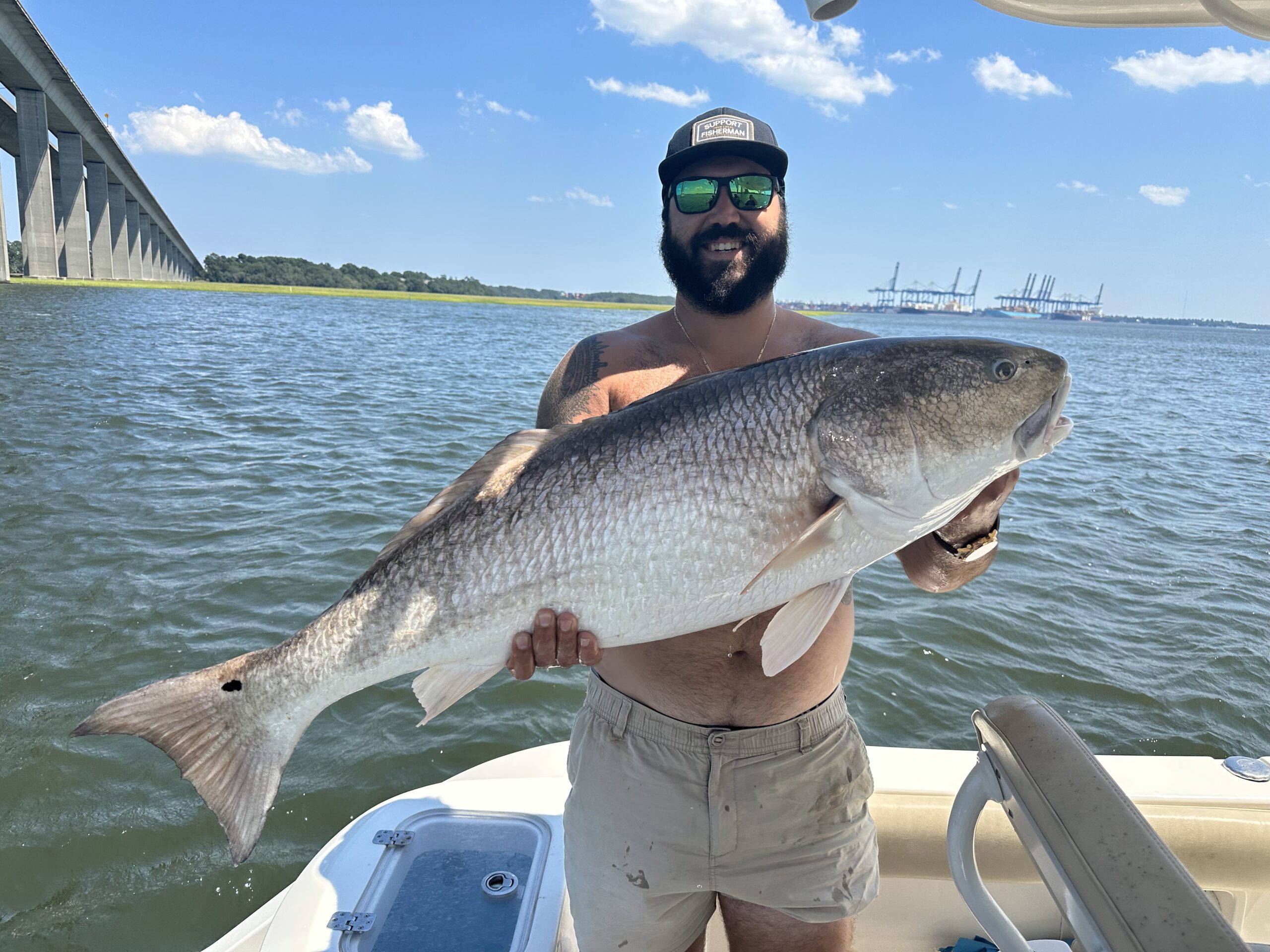
    Few moments in inshore fishing compare to watching a 40-inch bull redfish bulldoze through a shallow flat and peel drag off your reel. Bull redfish — commonly defined as oversized reds above the slot limit, typically 27 inches and up — are one of the most powerful and accessible trophy fish along the Gulf Coast and Southeast Atlantic. They’re strong, often predictable, and very catchable once you have the right gear in your hands.

    Whether you’re wade fishing South Texas grass flats, chunking cut mullet through South Carolina inlets, or working the surf along Florida’s Space Coast, this guide has you covered. We break down the best rod and reel combos, leader setups, hook sizes, and proven rigs — plus a regional tackle and bait comparison table so you know exactly what to throw based on where you’re fishing.

    Note: This article contains affiliate links to Amazon, Bass Pro Shops, and West Marine. If you make a purchase through these links, we may earn a small commission at no extra cost to you. We only recommend gear we trust.


    Best Rod & Reel Combo for Bull Redfish

    Bull reds are not finesse fish. A 40-pound red ripping through an oyster-lined creek channel demands gear built for punishment — backbone to control a big fish and a drag system smooth enough to survive long, powerful runs without snapping off.

    Rod: Medium-Heavy Spinning, 7’6″–8’6″

    For bull redfish, reach for a medium-heavy to heavy power spinning rod between 7’6″ and 8’6″, rated for 20–40 lb line. The extra length pays dividends in casting distance from the surf or off jetties, and the added backbone keeps sustained pressure on big fish without wearing you out mid-fight. Look for a moderate-fast action — responsive enough to telegraph a subtle pickup, but with enough mid-section flex to absorb those signature headshakes that bull reds use to throw hooks.

    Top Rod Picks:

    Penn Battalion II Surf Spinning Rod

    Excellent all-around surf rod with great sensitivity and backbone. A go-to for inshore and surf anglers alike.

    St. Croix Mojo Surf 8’0″ Heavy

    A premium pick for anglers who want high-end SCII graphite performance and a lifetime warranty to boot.

    Ugly Stik Elite Spinning Rod

    Budget-friendly bruiser with legendary durability. Handles serious fish without a serious price tag.

    Reel: 4000–6000 Series Spinning with 20+ lb Drag

    Match your rod with a 4000–6000 series spinning reel featuring a smooth, sealed drag system rated at 20 lbs or better. Bull reds make long, powerful first runs — if your drag stutters under load, you’ll lose fish. Sealed bearings are a worthwhile investment if you’re regularly fishing saltwater.

    Top Reel Picks:

    Penn Battle IV 5000

    Arguably the best value saltwater spinning reel under $150. Full metal body, HT-100 drag washers, legendary durability.

    Daiwa BG 4000

    Silky-smooth drag, machined aluminum body, an absolute workhorse. A flat favorite among inshore guides up and down the coast.

    Shimano Stradic FL 4000

    Premium upgrade with Hagane gearing and exceptional drag consistency under sustained load from big fish.


    Line Setup: Braid to Fluorocarbon

    Main Line: 20–30 lb Braid

    Spool up with 20–30 lb braided line. Braid’s thin diameter lets you pack more line onto your spool, dramatically extends casting distance, and gives you zero-stretch sensitivity for detecting subtle pickups. For most bull red situations, 30 lb braid is the sweet spot.

    PowerPro Spectra 30 lb Braid

    The industry standard. Reliable, consistently round, and available at every tackle shop on the coast.

    Sufix 832 Advanced Superline 30 lb

    8-carrier construction with GORE Performance Fiber for smoother casting and noticeably longer line life.

    Leader Material: 40–60 lb Fluorocarbon, 24–48″

    This is where a lot of anglers quietly lose fish. Bull reds hang around rough, abrasive structure — oyster bars, barnacled bridge pilings, rock jetties. A wimpy leader gets shredded fast. Use 40–60 lb fluorocarbon cut to 24–36 inches for most applications, bumping to 36–48 inches around heavy structure or strong surf. Connect braid to leader with a double uni knot or an FG knot (slimmer and stronger for long casts).

    Seaguar Blue Label 40 lb Fluorocarbon

    The gold standard in leader material. Double-structure extrusion for strength and suppleness. Our top pick for most conditions.

    Seaguar Blue Label 60 lb Fluorocarbon

    Step up to 60 lb when fishing around heavy oyster structure, rock jetties, or fast inlet current.


    The 2 Best Rigs for Bull Redfish

    1. Fish Finder Rig (Carolina Rig) — #1 Most Productive Setup

    The fish finder rig is the top-producing setup for fishing natural bait in the surf, inlets, tidal creek mouths, and deep channel edges. The sliding egg sinker lets a fish pick up your bait and move with it before feeling any weight — dramatically increasing hook-up rates.

    What You Need:

    • 1–3 oz egg sinker (heavier in strong current)
    • Plastic bead (protects your knot from sinker impact)
    • Size 3 or 4 barrel swivel
    • 24–36″ fluorocarbon leader (40–60 lb)
    • 5/0–7/0 circle hook

    How to Build It:

    1. Thread main braid through the egg sinker
    2. Slide on a plastic bead
    3. Tie to one end of the barrel swivel
    4. Attach fluorocarbon leader to the other swivel end
    5. Tie on your circle hook

    Pro Hookset Tip: Don’t jerk the rod when you feel a bite. Let the fish move, wait for the line to load up, then sweep sideways with steady pressure. The circle hook drives itself into the corner of the mouth almost every time.

    Gamakatsu Octopus Circle Hooks 6/0

    Ultra-sharp and trusted by tournament anglers. Consistent corner-of-the-mouth hookups for safe, easy release.

    Owner Mutu Light Circle Hooks 5/0

    Exceptionally sharp with a wide gap. Light wire won’t impede live bait action — but strong enough for any bull red.

    Egg Sinker Assortment 1–3 oz

    Keep a mixed pack on hand. Go heavier in fast current or strong surf, lighter in calm backwater conditions.

    2. Popping Cork Rig — Deadly in Shallow Flats & Marsh Creeks

    When you’re fishing shallow grassy flats, tidal marsh creeks, or near oyster beds, a popping cork setup can absolutely light up your bite. The loud chugging splash mimics shrimp and baitfish fleeing, triggering aggressive feeding responses in reds cruising the shallows. Keep your leader at 18–24 inches so the bait rides just above grass or mud bottom. Best baits: live shrimp through the horn, fresh-cut mullet, or a lively finger mullet.

    Billy Bay Cajun Thunder Popping Cork

    Classic design with a concave face that throws water and sound on every twitch. The original marsh cork — still the best.

    Calcutta Rattling Popping Cork

    Added internal rattle for extra fish-calling power in stained or murky water. A top choice for Louisiana marsh fishing.


    Hook Size Guide for Bull Redfish

    Hook selection is one of the most overlooked variables in bull red fishing. Use the wrong size and you’ll either miss bites or lose fish at the boat.

    • Circle Hooks 5/0–7/0 — The best choice for live and cut bait. Nearly self-setting, producing corner-of-the-mouth hookups that make safe release easy. Mandatory for CPR fishing on oversize reds.
    • J-Hooks 3/0–5/0 — Effective under a popping cork with live shrimp. Require an active hookset.
    • Kahle Hooks 4/0–6/0 — A solid middle-ground option. Excellent with cut mullet, blue crab, or menhaden chunks.

    Mustad Demon Perfect Circle Hook 6/0

    Affordable, consistent, and used by guides up and down the coast. The no-brainer circle hook for bull reds.


    Best Baits for Bull Redfish

    Bull reds are scent-driven, opportunistic predators — especially in murky or fast-moving water. Fresh and local will almost always beat frozen and generic.

    • Cut Mullet — The #1 surf and inlet bait. Oily, smelly, and irresistible. Fresh is always better than frozen.
    • Live or Fresh-Dead Shrimp — Deadly year-round, especially under a popping cork in shallow water.
    • Blue Crab (halved or quartered) — Particularly effective during crab-heavy months. Bull reds love crabs.
    • Live Finger Mullet — Hard to beat for big fish. Catch them fresh with a cast net if you can.
    • Menhaden (Pogies) — Extremely oily and effective, especially in Gulf Coast inlets and passes.

    Regional Tackle & Bait Comparison Table

    Bull redfish are found from Texas to Virginia, but the way you fish for them changes significantly by region. Use this table to dial in your approach before you hit the water.

    Region Primary Habitat Best Rig Hook Size Top Baits Leader Sinker Best Tide
    Texas Gulf Coast
    (Laguna Madre, Matagorda, Galveston)
    Shallow grass flats, back bays, passes Popping Cork; Fish Finder in passes 4/0–6/0 Circle Live shrimp, finger mullet, cut mullet, crab 40–50 lb fluoro 1–2 oz Incoming; tide changes in passes
    Louisiana & Mississippi
    (Delacroix, Biloxi Marsh, Chandeleur)
    Marsh creeks, shallow bays, barrier islands Popping Cork; Unweighted live bait 3/0–5/0 Circle or J Live shrimp, pogies, crab chunks 40 lb fluoro 1/2–1 oz Incoming flood tide; dawn/dusk
    Florida Gulf Coast
    (Tampa Bay, Charlotte Harbor, Homosassa)
    Flats, mangrove edges, grass beds, passes Popping Cork (flats); Fish Finder (passes) 4/0–6/0 Circle Live shrimp, pinfish, cut ladyfish, crab 40–50 lb fluoro 1–2 oz Falling outgoing tide along mangroves
    Florida Atlantic / Space Coast
    (Indian River, Mosquito Lagoon)
    Broad shallow lagoons, grass flats Popping Cork; Free-lined live bait 4/0–5/0 Circle Live shrimp, live mullet, crab, cut mullet 40 lb fluoro 1/2–1 oz or none Moving tides; wind tides in lagoon
    Georgia & South Carolina
    (Golden Isles, Port Royal, Charleston)
    Tidal creeks, inlets, oyster bars, surf Fish Finder (inlets/surf); Popping Cork (creeks) 5/0–7/0 Circle Cut mullet, live shrimp, blue crab, pogies 50–60 lb fluoro 2–3 oz 2 hrs either side of tide change
    North Carolina
    (Outer Banks, Pamlico Sound, Hatteras)
    Surf, inlets, sounds, creek mouths Fish Finder (surf & inlets) 6/0–7/0 Circle Fresh cut mullet, spot, menhaden, crab 50–60 lb fluoro 2–4 oz Moving tide in inlets; dawn surf bite
    Virginia
    (Chesapeake Bay, Back Bay, Chincoteague)
    Bay channels, surf, shoal water Fish Finder; Heavy Carolina Rig in surf 6/0–7/0 Circle Cut spot, cut mullet, crab, menhaden 50–60 lb fluoro 2–4 oz Falling tide in channels; fall migration
    Regional conditions vary seasonally. Always verify local regulations — bull redfish above the slot are catch-and-release only in most states.

    Pro Tips for More Bull Redfish Hookups

    • Fish the moving tide. The two hours before and after a tide change are consistently the most productive windows. Bull reds use tidal movement to ambush baitfish at creek mouths, channel edges, and around points.
    • Target structure religiously. Oyster bars, rock jetties, bridge pilings, and channel drop-offs are highways for big reds. If there’s structure nearby, there’s probably a bull red nearby too.
    • Read “nervous water.” Subtle surface ripples, V-wakes, or tailing fish in skinny water are clear signals of actively feeding reds. Slow down, approach quietly, and cast ahead of the fish.
    • Use a fighting belt in the surf. A gimbal fighting belt takes the edge off long fights with large fish and lets you apply more sustained pressure.
    • Always check your regulations. Bull redfish are catch-and-release only above the slot limit in most Gulf and Southeast Atlantic states. Fines for keeping oversized reds are steep.

    Complete Bull Redfish Gear Checklist

    Item Specification Shop Now
    Rod 7’6″–8’6″ Medium-Heavy Spinning Amazon
    Bass Pro
    Reel 4000–6000 Series Spinning, 20+ lb drag Amazon
    West Marine
    Main Line 20–30 lb Braided Line Amazon
    Leader 40–60 lb Fluorocarbon, 24–48″ Amazon
    Bass Pro
    Circle Hook Circle Hook 5/0–7/0 Amazon
    Popping Cork Hook Circle or J-Hook 3/0–5/0 Amazon
    Sinker 1–3 oz Egg Sinker Amazon
    Recommended Extras
    Barrel Swivels Size 3 or 4 Amazon
    Plastic Beads 6–8mm Rig Beads Amazon

    Final Thoughts

    Bull redfish are one of inshore fishing’s great equalizers — accessible enough for beginners with the right gear, yet powerful and unpredictable enough to humble experienced anglers. Start with a solid medium-heavy spinning combo, 30 lb braid, a fluorocarbon leader, and the right rig for your region. Keep an eye on the comparison table as seasons shift — bull reds behave very differently in the clear grass flats of South Texas than they do in the turbid, tidal creeks of coastal South Carolina.

    Above all: know your local regulations, use circle hooks for clean releases, and get out there on a moving tide. Tight lines.


    Disclosure: This article contains affiliate links to Amazon, Bass Pro Shops, and West Marine. Purchasing through these links supports this site at no additional cost to you. All gear recommendations are based on real-world fishing experience — we only recommend products we’d use ourselves.